


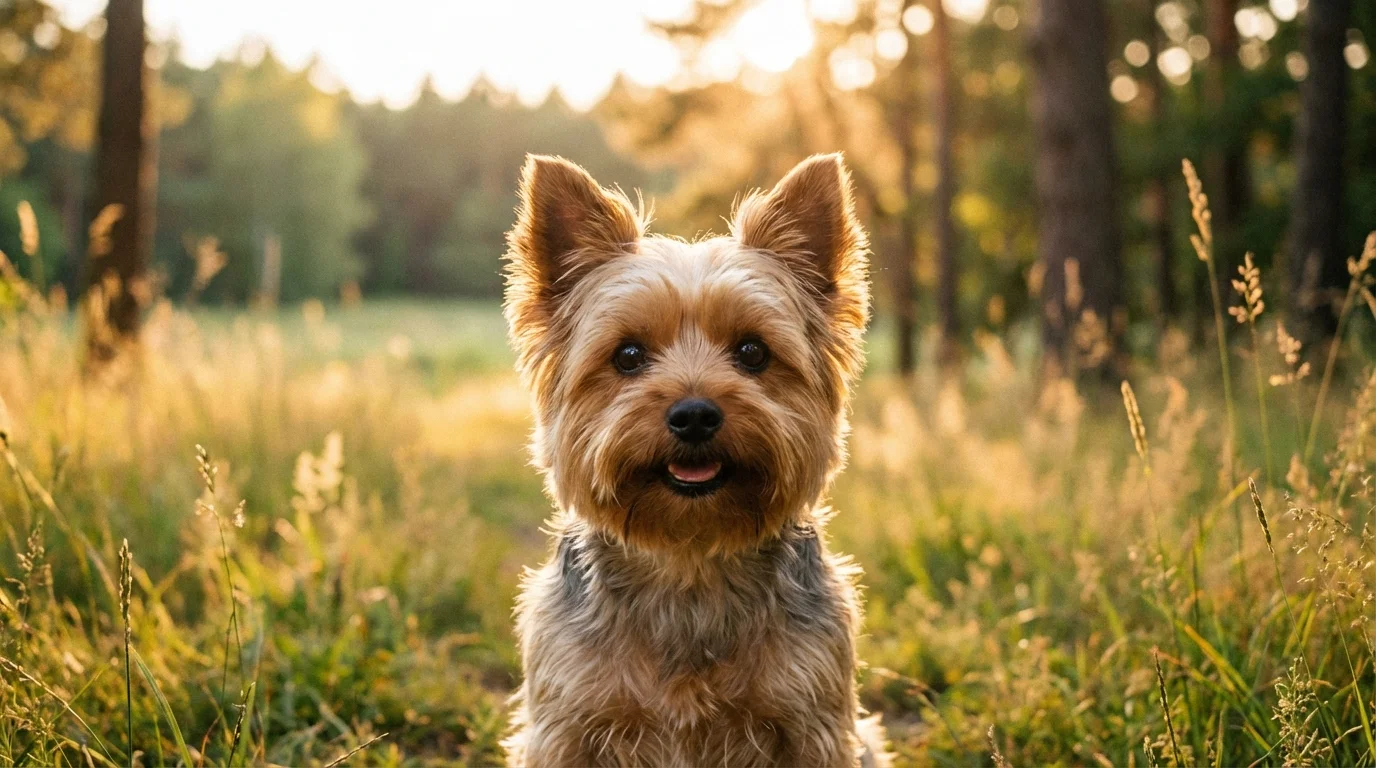
The Yorkshire Terrier is the most popular toy breed in America and has held that position for years. At under 7 pounds, the Yorkie packs more personality per ounce than almost any other dog. Originally bred in 19th-century Yorkshire to catch rats in textile mills, the breed has traded factory floors for laps and purses without losing an ounce of its terrier spirit.
Breed Characteristics
History & Origin

The Yorkshire Terrier was created during the Industrial Revolution by working-class Scots who migrated to Yorkshire, England, to work in the textile mills and coal mines. They brought small terrier breeds with them, including the Clydesdale Terrier, the Paisley Terrier, and the Skye Terrier, all now extinct or absorbed into other breeds. These dogs were crossed with local terriers to produce a small, game rat catcher that could follow vermin into the tight spaces between machinery and into the mine shafts.
The early Yorkshire Terriers were larger than today's dogs, weighing 12 to 14 pounds, and they were strictly working animals. Their silky coat, which would later become the breed's calling card, was originally just a byproduct of the crosses involved. Breeders noticed the attractive texture and began selecting for it. By the 1860s, a dog named Huddersfield Ben, owned by Mary Ann Foster of Bradford, had become the foundation sire of the modern breed. Huddersfield Ben won over 70 prizes at dog shows and ratting competitions, and nearly every modern Yorkie traces back to him.
The breed was initially called the "Broken-Haired Scotch Terrier," a name that pleased no one in Yorkshire. In 1870, a reporter named Angus Sutherland wrote that the breed should be called the Yorkshire Terrier since it had been so improved in Yorkshire that it had become a distinct breed. The name stuck. The Kennel Club in England recognized the breed in 1886, and the AKC followed in 1885.
By the late 1800s, the Yorkie had transitioned from a working ratcatcher to a fashionable companion for Victorian women. Breeders selected for smaller size and longer, more luxurious coats. The 12-pound rat catcher shrank to 7 pounds or less. The breed's combination of portable size, beautiful coat, and bold personality made it one of the most popular companion dogs in both Britain and America, a position it still holds.
Huddersfield Ben, born in 1865, is considered the father of the modern Yorkshire Terrier. He won over 70 prizes at both dog shows and ratting competitions, and virtually every modern Yorkie traces back to his bloodline.
Appearance
The Yorkshire Terrier is a compact, well-proportioned toy dog that weighs no more than 7 pounds. Most adult Yorkies weigh between 4 and 7 pounds. Height is not specified in the AKC standard, but most stand 7 to 8 inches at the shoulder. Despite their small size, they should look balanced and sturdy, not frail.
The head is small and flat on top with a moderately short muzzle. The eyes are medium-sized, dark, and sparkling with an expression that is sharp and intelligent. The ears are small, V-shaped, carried erect, and set not too far apart. Puppy ears may flop until the cartilage strengthens, usually by 3 to 6 months.
The coat is the breed's most dramatic feature. A show Yorkie carries a floor-length coat of perfectly straight, silky hair that parts down the middle of the back and hangs evenly on both sides. The color is a distinctive steel blue (a dark, metallic gray-blue) from the back of the skull to the base of the tail, with rich tan on the head, chest, and legs. Puppies are born black and tan, and the steel blue develops gradually over the first two years.
The texture should be silky, fine, and glossy, more like human hair than typical dog fur. This hair-like quality is why Yorkies shed very little and are often recommended for people with mild dog allergies, though no dog is completely hypoallergenic.
Most pet Yorkies are kept in a "puppy cut" where the hair is trimmed short (1 to 2 inches) all over, which is far more practical than the show coat. The puppy cut gives the Yorkie a teddy bear appearance and requires far less daily grooming. Some owners choose a medium-length trim or a modified show cut with shorter body hair and longer leg and facial hair.
Temperament & Personality
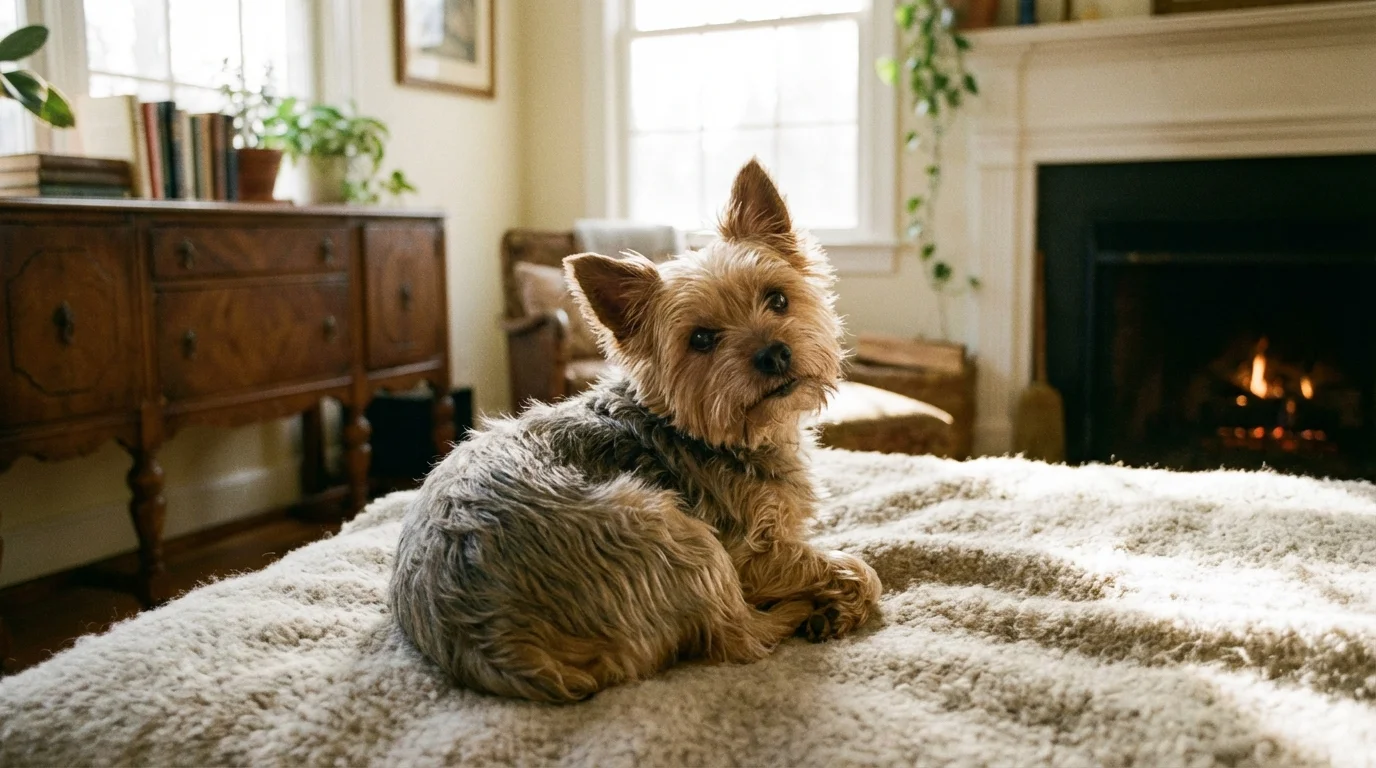
Yorkshire Terriers do not know they are small. This is both their greatest charm and their biggest risk. A Yorkie will confront a dog ten times its size, bark at a delivery truck, and claim the best spot on the couch with the confidence of a Great Dane. This fearlessness comes straight from their terrier heritage, and it is up to owners to channel it appropriately so the dog does not get into situations its body cannot handle.
Yorkies are deeply affectionate with their people. They bond tightly, often to one person in particular, and want to be involved in everything that person does. They will follow you from room to room, sit on your lap while you work, and tuck themselves into the crook of your arm at night. This attachment is rewarding but can tip into separation anxiety if not managed. Yorkies that are never taught to be alone can become frantic when separated from their person.
The breed is alert and vocal. Yorkies bark at sounds, movement, visitors, and sometimes at nothing identifiable. This makes them effective little watchdogs, as they will absolutely let you know when someone approaches the house. It also makes them potentially annoying in apartment settings if the barking is not addressed through training. Teaching a "quiet" command early is one of the most important things you can do with a Yorkie.
With strangers, Yorkies range from friendly to suspicious depending on socialization. Well-socialized Yorkies are confident and approachable. Under-socialized Yorkies can become snappy and defensive, which is a common problem in the breed. Because they are small, owners sometimes skip socialization or let the dog get away with behaviors (growling, snapping) that would never be tolerated in a larger breed. This creates a neurotic, poorly adjusted dog.
Yorkies are not ideal for households with very young children. Their small size makes them vulnerable to accidental injury from toddlers who do not understand how to handle a tiny dog. They may also snap if handled roughly or surprised. Families with older children who can be gentle and respectful do much better with the breed.
Training & Exercise
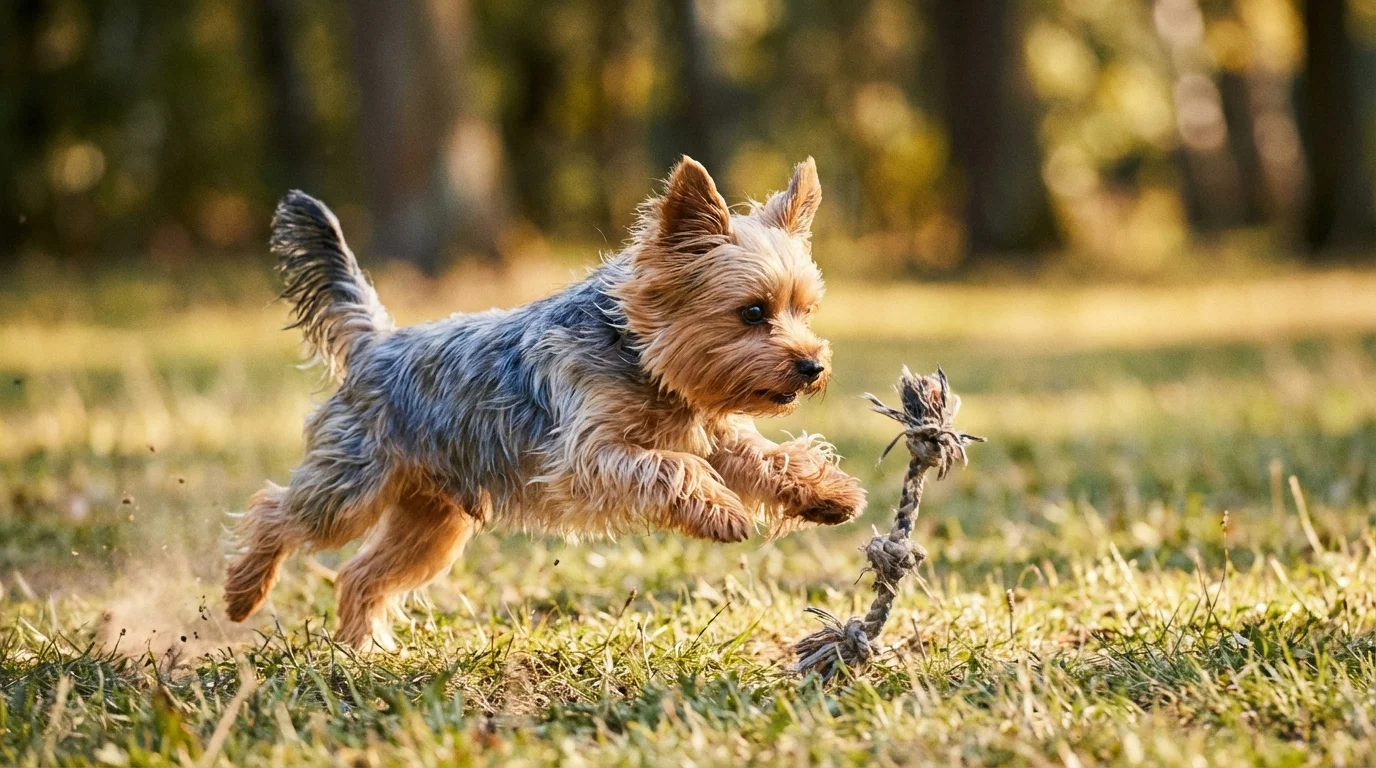
Training a Yorkshire Terrier is a mix of rewarding intelligence and frustrating stubbornness. Yorkies are smart and learn quickly, but they have a terrier's independent streak and will test boundaries. Positive reinforcement with small treats works well. Keep sessions short (5 to 10 minutes) and varied. Repetitive drills bore them, and a bored Yorkie will find something more interesting to do.
Housetraining is the single biggest training challenge with Yorkies. The breed has a well-earned reputation for being difficult to housetrain, partly because of their small bladders and partly because of their independent nature. Consistent crate training, frequent trips outside, and patience are essential. Many Yorkie owners use indoor pee pads as a supplement, especially in apartments or during bad weather, since a 5-pound dog in a rainstorm is not going to happily walk to the designated outdoor spot.
Socialization is critical and often neglected with small dogs. Expose Yorkie puppies to as many different people, dogs, environments, and situations as possible between 8 and 16 weeks. Carry them if they are not fully vaccinated, but get them out into the world. A well-socialized Yorkie is confident and pleasant. A poorly socialized one is yappy, snappy, and anxious.
Avoid "small dog syndrome" by holding the Yorkie to the same behavioral standards as any larger dog. No jumping on people, no growling for attention, no biting. These behaviors are dangerous in a large dog and annoying in a small one, but they are equally bad training in either case. Yorkies that are allowed to get away with poor behavior because they are cute become difficult to live with.
Exercise needs are moderate. Adult Yorkies need about 30 to 45 minutes of activity per day. This can include short walks, indoor play, fetch in a hallway, or training sessions. They are more active than many toy breeds and enjoy games and interactive play. They are not distance runners or hiking dogs, but they have more stamina than their size suggests. Mental stimulation through puzzle toys and trick training is equally important for keeping them content.
Health & Care
Yorkshire Terriers live 11 to 15 years, with many reaching 13 to 14 years. They are a generally healthy breed, though their small size makes them susceptible to certain conditions.
Patellar luxation (dislocating kneecap) is the most common orthopedic problem, affecting roughly 25% of Yorkies to some degree. Mild cases cause occasional skipping, while severe cases may require surgical correction. Legg-Calve-Perthes disease, where the head of the femur deteriorates due to poor blood supply, also occurs in the breed. It typically appears between 5 and 8 months of age and is treated surgically.
Dental problems are a significant concern in Yorkies. Their small mouths crowd their teeth, leading to plaque buildup, gum disease, and premature tooth loss. Daily tooth brushing is ideal, and professional dental cleanings may be needed annually. Many Yorkies lose teeth by middle age even with good dental care.
Portosystemic shunt (liver shunt) is a congenital condition where blood bypasses the liver, allowing toxins to circulate. Symptoms include stunted growth, poor appetite, seizures, and confusion. Mild cases can be managed with diet and medication; severe cases require surgery. Reputable breeders screen their dogs for this condition.
Hypoglycemia (low blood sugar) is a risk in Yorkie puppies and very small adults. Symptoms include weakness, trembling, disorientation, and in severe cases, seizures. Feeding small, frequent meals helps prevent episodes. Keep corn syrup or honey on hand for emergencies.
Collapsed trachea, where the cartilage rings of the windpipe weaken and flatten, causes a honking cough and breathing difficulty. It is common in toy breeds. Using a harness instead of a collar reduces strain on the trachea. Mild cases are managed medically; severe cases may need surgery.
Grooming depends on the coat style. A full show coat requires daily brushing, weekly baths, and considerable time. Most pet owners opt for a puppy cut, which needs professional grooming every 4 to 6 weeks and occasional brushing between appointments. Clean the face daily, especially around the eyes where tear staining can occur. Trim nails every 2 to 3 weeks and brush teeth daily if possible.
Living With a Yorkshire Terrier
Yorkshire Terriers are excellent apartment dogs. Their small size, moderate exercise needs, and clean habits make them one of the best breeds for city living. They do not need a yard, and their exercise needs can be met entirely with indoor play and short outdoor walks. The one apartment concern is barking: Yorkies can be vocal, and training a reliable "quiet" command is important for keeping the peace with neighbors.
Yorkies are indoor dogs exclusively. They cannot tolerate cold weather because of their small size and single coat (no undercoat for insulation). In winter, a sweater or coat is necessary for outdoor walks, and even then, limit exposure in very cold temperatures. They are also sensitive to heat, though less so than brachycephalic breeds.
The breed travels well. Their small size makes them easy to carry in airline-approved bags, and many hotels and restaurants that do not welcome larger dogs will accept a well-behaved Yorkie. This portability is a major part of the breed's appeal for people who want a dog that can go everywhere with them.
Yorkies do best with adults, older children, or families who understand the fragility of a 5-pound dog. They are not a good match for households with toddlers or rough-playing young children. A child stepping on, sitting on, or dropping a Yorkie can cause serious injury. Teach any children in the household to sit on the floor when holding the dog and to never pick it up by the legs or tail.
Many Yorkie owners have more than one. The breed does well in pairs, and two Yorkies will play together, keep each other company, and are only marginally more work than one. They can live with other dogs but may try to boss around much larger dogs, which can be dangerous if the larger dog does not appreciate the Yorkie's attitude.
The financial commitment for a Yorkie is moderate. Grooming is the biggest ongoing expense if you maintain the coat at a professional groomer ($40 to $80 every 4 to 6 weeks). Veterinary costs are typical for a small breed, with dental work being the most common additional expense. Pet insurance is worth considering given the breed's susceptibility to patellar luxation, liver shunts, and dental issues.
Cutest Yorkshire Terriers on Pupvote
 #1
#1Sweet and Loving
8.9K+ votes #2
#2Notre petite merveille Usko, il est adorable et très joueur. Merci à tous pour vos votes 😍
5.5K+ votes #3
#3Gizelle is our beautiful 10 year old Yorkshire Terrier. She loves to go outside around the yard for walks and play with her favorite toy. Her favorite things to do are eat and sleep. She loves to play with her best friend, Gordon. She is a very happy dog and loves her family!
3.2K+ votes #4
#4She's a sweet little girl. She loves snuggles, fetch, walks, and bath time.
2.6K+ votesTop Yorkshire Terrier Names on Pupvote
More Yorkshire Terriers on Pupvote
Frequently Asked Questions
Yorkies are good family pets for households with older children or adults. They are affectionate, loyal, and entertaining companions. However, their small size (under 7 pounds) makes them vulnerable to accidental injury, so they are not recommended for families with toddlers or very young children. They do best with people who understand that a small dog still needs training, socialization, and consistent rules.
Yorkies need about 30 to 45 minutes of exercise daily. Short walks, indoor play sessions, and interactive games are sufficient. They are more active than many toy breeds and enjoy exploring, but they are not distance runners. Mental stimulation through puzzle toys and trick training is equally important. Their exercise needs are easily met in an apartment setting without a yard.
Yorkies shed very little. Their coat is more like human hair than typical dog fur, growing continuously rather than shedding in cycles. This makes them a practical choice for people with mild dog allergies, though no dog is completely hypoallergenic. The trade-off is that the coat requires regular grooming. Most pet owners keep their Yorkie in a short "puppy cut" that needs professional trimming every 4 to 6 weeks.
Yorkshire Terriers live 11 to 15 years, with many reaching 13 to 14 years. They are a long-lived breed for dogs of any size. The most common health issues affecting longevity are dental disease, patellar luxation, liver shunts, and collapsed trachea. Regular veterinary checkups, good dental care, and maintaining a healthy weight help your Yorkie live a long, comfortable life.
Yorkies are intelligent and learn quickly, but their terrier stubbornness makes them moderately challenging to train. Housetraining is the biggest hurdle and takes longer than average. Positive reinforcement with small treats works best. Short, varied sessions prevent boredom. The most important training investments are a solid "quiet" command (Yorkies bark a lot) and thorough socialization between 8 and 16 weeks.
Yorkie puppies from reputable breeders cost $1,200 to $3,000. Very small dogs (under 4 pounds) may be priced higher but carry greater health risks. Breeders should screen for patellar luxation, eye conditions, and liver shunts. Avoid breeders advertising "teacup" Yorkies, as extremely small dogs have more health problems and shorter lifespans. Adopting from a rescue typically costs $200 to $500.